
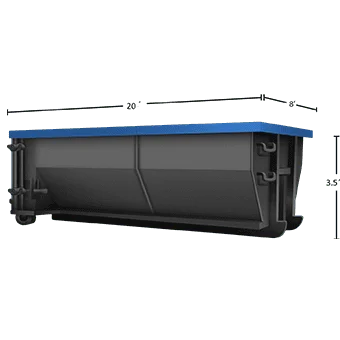
A container delivered for an agreed load
A roll-off order provides a temporary container for the material accepted in the rental agreement. Describe the debris, intended loading method and period of work. Container size and material acceptance need to be considered together rather than selecting only by the apparent empty space.
Ask for the loading limits and excluded items. Dense debris can create a different constraint from bulky light contents. Do not assume that room below the top permits unlimited weight or that another customer’s loading arrangement applies to your material.
Provide a receiving position the vehicle can use
Share gate widths, overhead obstacles, ground conditions and the intended container location with the rental contact. The vehicle needs space to deliver and later retrieve the equipment. Discuss any surface-protection arrangement and responsibility before placing the order.
For a proposed public-road or right-of-way position, identify the authority controlling that exact location and ask what approval is required. Give the rental contact the approved receiving arrangement before delivery. A private-property order should also make access and the responsible property contact clear.
Prepare for collection while loading
Follow the agreed loading instructions and keep prohibited or unconfirmed material separate. Preserve access to the container even as the cleanup progresses. The vehicle’s return needs the same attention as its first arrival.
Ask how to request collection, an extension or an exchange and what conditions apply. Use Get a Quote with the address, material and dates; the resulting offer should state the loading and removal arrangement as clearly as the container itself.